Uo
University of Texas at Arlington
USA
View institution profile
Popular focus: Computer Science
Students seeking a balanced cost-to-quality option with strong employability focus.
Usually more affordable than many private universities.

The USA hosts many of the world's top-ranked universities with flexible learning options, strong research environments, and globally respected degrees. Students can choose from affordable pathways to premium institutions while building international networks.
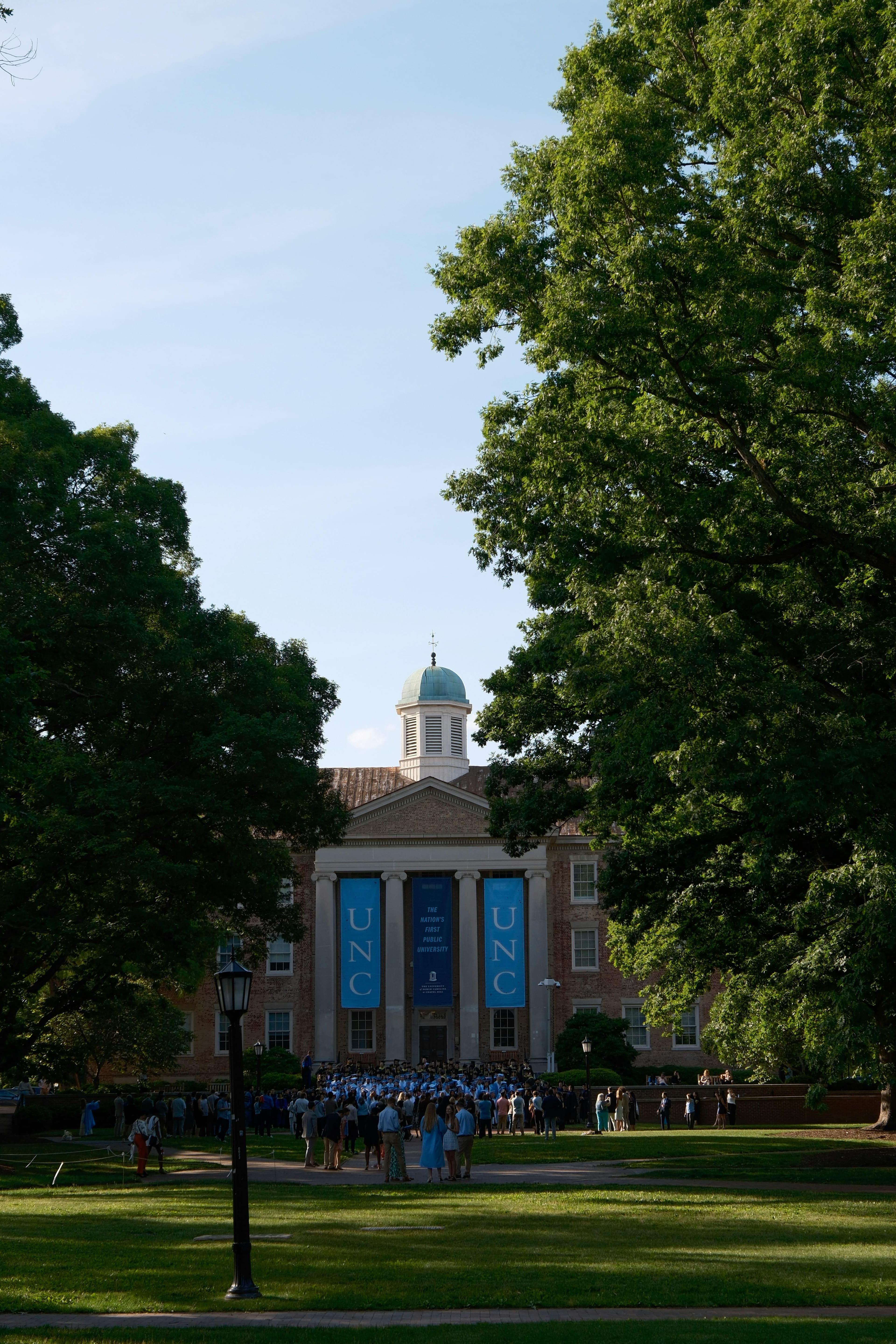
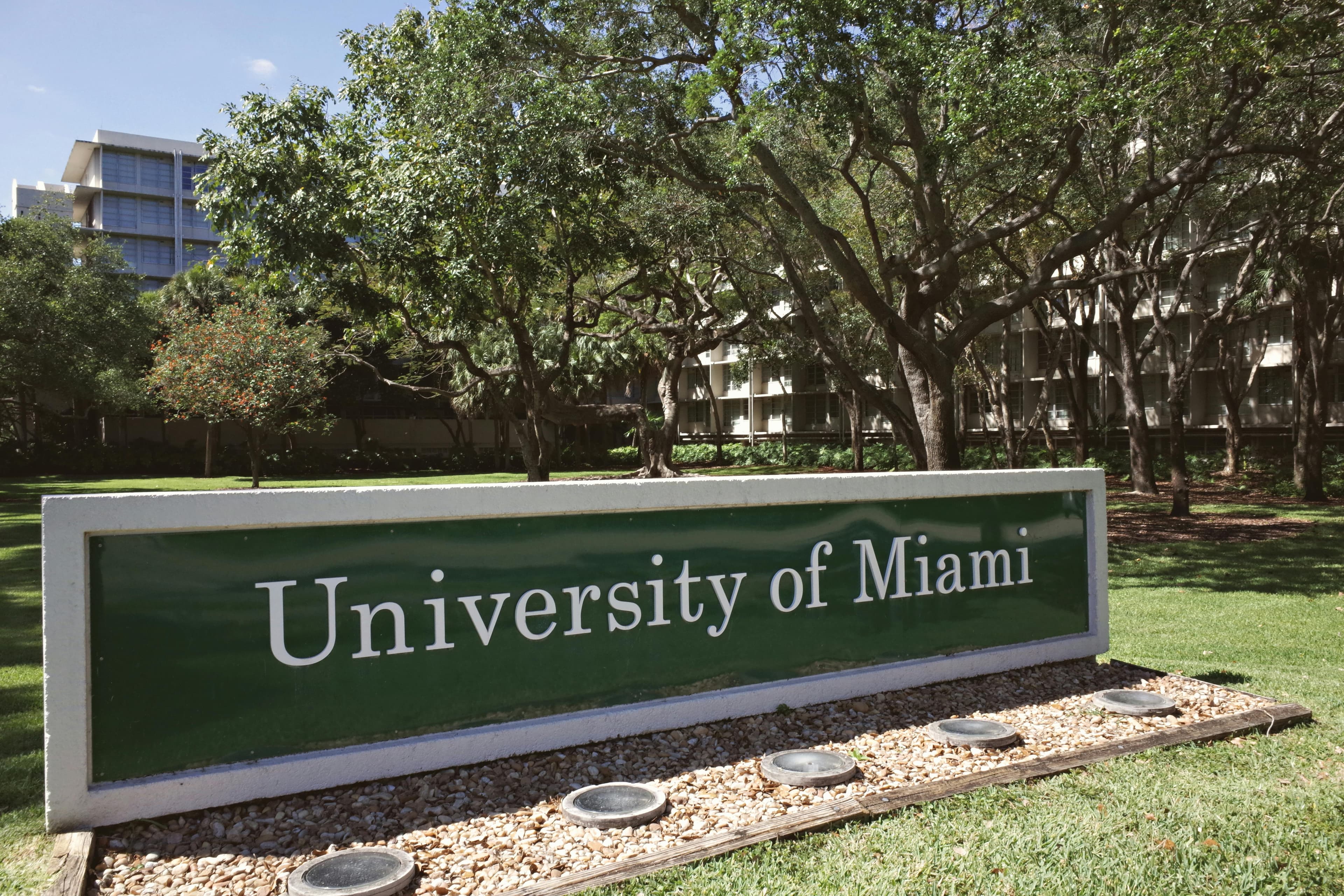
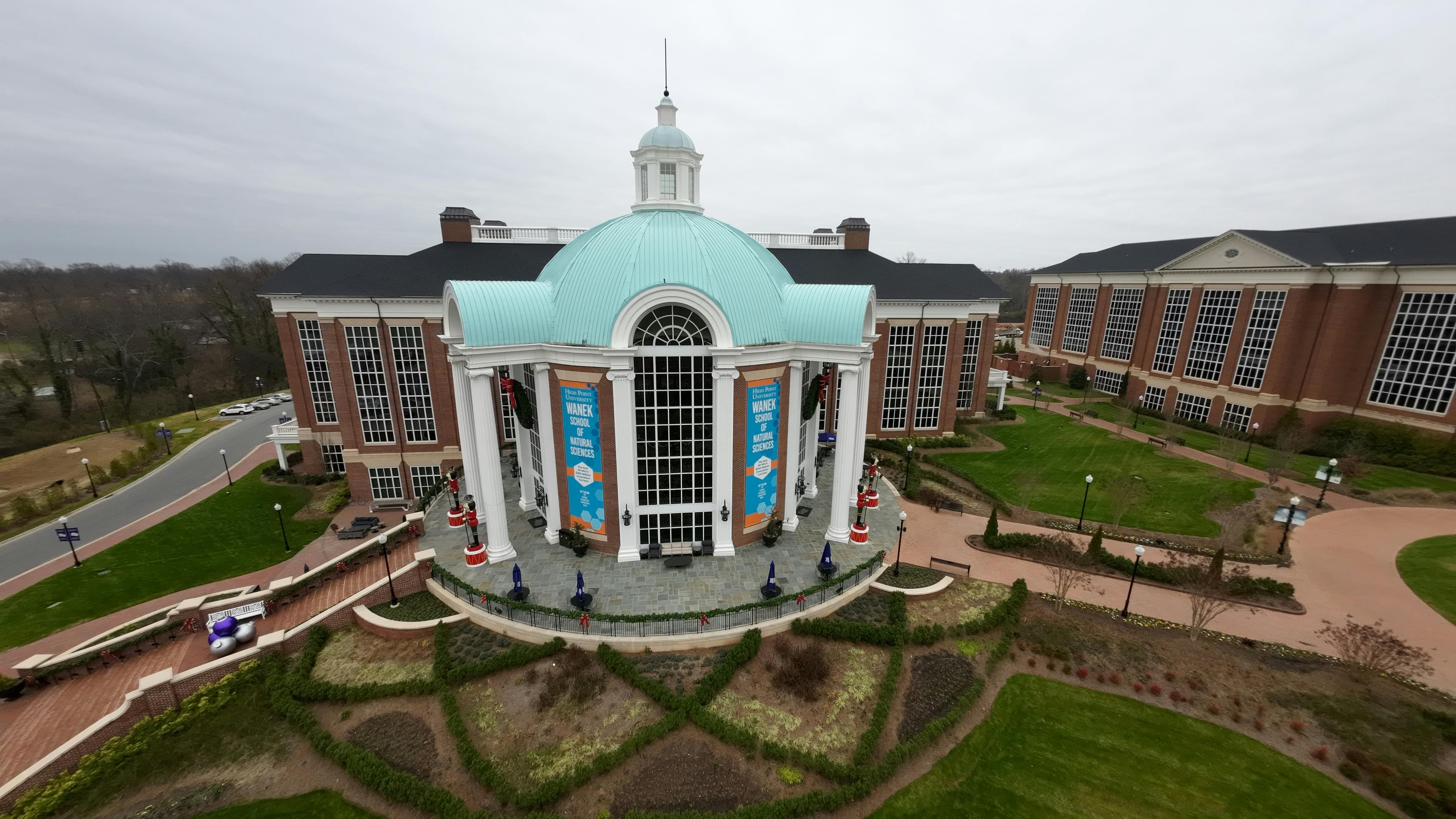
The United States remains one of the strongest destinations for international students because of its globally recognized universities, research culture and wide course variety.
A major advantage is flexibility. Students can often choose majors, combine programs, and adjust their path as they progress, which supports both academic growth and career planning.
From affordable community colleges to premium private universities, the USA offers multiple entry points for different budgets while still giving access to high-quality education and global networks.
This page is structured to help you compare the destination properly: first check whether it fits your goals, then review institutions, requirements, costs, work options and longer-term opportunities.
Use it as a starting point for deciding whether the destination makes sense academically, financially and professionally before you begin applications.
Requirements vary by course and institution, but these are the essentials students most often prepare first.
The best choice usually comes down to recognition, teaching style, cost and career fit. This overview helps you compare the institutions that shape the student experience in USA.
World-class education system
Flexible learning options across majors and programs
Work opportunities during study
Strong post-study career routes through OPT
Diverse and global student environment
A guide-style comparison table makes these destination pages feel more like dedicated study resources than generic marketing pages.
Different regions can change your budget, accommodation experience, work opportunities and the feel of campus life. These are some of the locations students ask about most.
Ask how universities, transport, living costs and part-time work compare in Texas.
Ask how universities, transport, living costs and part-time work compare in Florida.
Compare university options, accommodation costs, transport access, part-time work prospects and the general student lifestyle in California.
Compare university options, accommodation costs, transport access, part-time work prospects and the general student lifestyle in Midwest.
Compare university options, accommodation costs, transport access, part-time work prospects and the general student lifestyle in Northeast.
This section follows the destination-guide style more closely: first understand the admission flow, then gather documents and prepare for the visa stage.
Academic transcripts, passport copy, financial proof and course-specific supporting documents.
Confirm entry requirements, organise documents early and prepare the visa stage with enough time for corrections.
Check how this applies to your chosen university, intake, course level and final visa preparation.
Check how this applies to your chosen university, intake, course level and final visa preparation.
Check how this applies to your chosen university, intake, course level and final visa preparation.
Check how this applies to your chosen university, intake, course level and final visa preparation.
Check how this applies to your chosen university, intake, course level and final visa preparation.
Organise your priorities, shortlist suitable options, and move through each stage with a clear view of deadlines, requirements and budget.
International students on F-1 status can usually work up to 20 hours per week on campus during term time and full-time during official breaks, helping with day-to-day living costs.
USA programs offer strong post-study exposure through Optional Practical Training (OPT), allowing eligible graduates to gain practical work experience.
Final rights and eligibility always depend on current immigration policy, course type and your specific visa conditions.
Budget planning is essential because total yearly costs can vary widely by institution type and location.
Tuition commonly ranges from KSh 1.0M to 6.5M+ per year, with living costs around KSh 1.0M to 2.3M per year.
Students should prepare for visa timelines, interview requirements and financial proof before departure.
Admission competitiveness can differ significantly across institutions, so applying to a balanced list is important.
The USA is a strong long-term choice for students who want global exposure, quality education and practical post-study experience.
“Studying in the USA gave me global exposure and practical skills that boosted my career options.”
USA stands out for Kenyan students because it combines world-class education system and flexible learning options across majors and programs.
Typical requirements include Valid passport, Admission offer and I-20 form from a SEVP-approved institution, Proof of funds for tuition and living costs and any course-specific academic documents requested by the university.
Start with your preferred course, intake, budget and career goal. Then compare entry requirements, language expectations, application deadlines, funding proof and visa timelines before choosing your final shortlist.
Start by booking a consultation. We review your goals, shortlist suitable destinations, and guide you on the next steps in a clear sequence.
We help students study in the United Kingdom, Canada, Australia, Malta, USA, Spain, and New Zealand. Each destination offers unique advantages, and we'll help you choose the best fit for your goals and budget.
If this destination looks like a strong fit, the next move is narrowing your course options, confirming entry requirements and building a budget you can actually work with.

World-class education in the heart of Europe

Affordable education with excellent post-grad opportunities

Sunshine, quality education, and endless opportunities